What is Taxidermy?
Taxidermy is the art of the preservation of animal specimens by using mummification and dehydration. Most commonly known for it's use in ungulate head mounts (those deer heads on walls of country folks' houses), it expanded into a much wider audience that is fascinated by oddities and strange natural mutations.
One convention known for people showing their taxidermy and preservation arts is the Oddities and Curiosities Festival. Many vendors sell cleaned bones, furs/pelts, mounts, terrariums, and even jewelry.
Taxidermy is also used in numerous medical/biological research fields. The Smithsonian Museum of Natural History has an entire wing and basement dedicated to storing and showcasing specimens of species both extinct and still alive today. Commonly people see educational taxidermy as insect pinnings, a part of entomology cataloging where they preserve and dry and insect before pinning it into the desired pose in order to be able to view pattern mutations over periods of time.
When collecting natural specimens, make sure to follow proper cleaning instructions on trusted forums online, not doing so can result in disease and decomposition/rot
What is Vulture Culture?
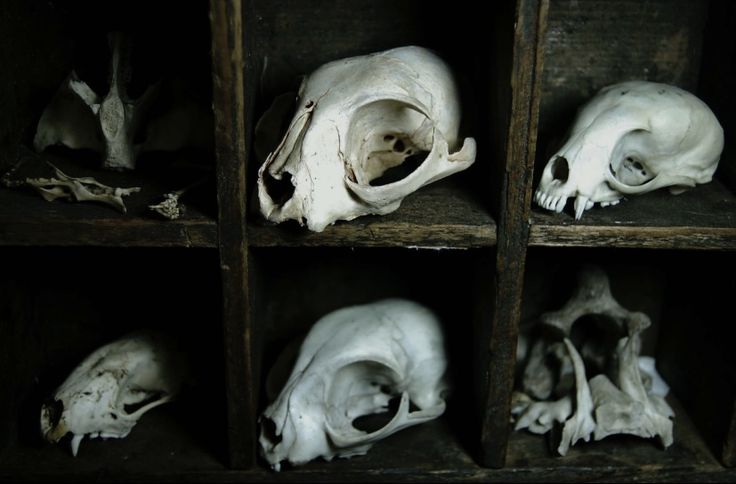
Vulture Culture is a primarily online subculture of gothic arts where one is inclined to source and collect bones and oddities in order to display or research. Commonly members of the Vulture Culture subculture have shelves dedicated just to their collections!
Most tend to go out and source the bones and specimens themselves from the wild (which is safe as long as one is educated on protocols), tending to hike along backroads, forest clearings, and abandoned hiking trails. The first source of many collections tends to be roadkill